
RGB vs CMYK Color: The Differences And Uses

Both RGB and CMYK are color models. These models produce millions of colors by mixing three main base hues. The birth of millions of colors occurs when we alter the amounts of these bases. However, they are used for entirely different purposes. RGB is used for digital screens and CMYK for physical printing.

It’s important for anyone who works with colors, papers or screens to know the difference between RGB and CMYK. This blog provides a clear-cut difference between the two color models. It covers the definition, uses, and differences and tells you which one to use. 

What is RGB

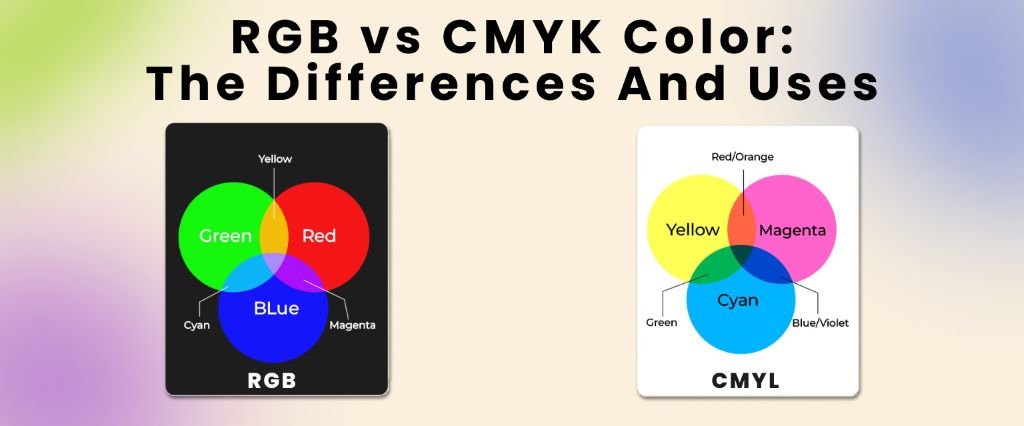
To get to the gist of it, first, we will explain the true definitions of both. RGB stands for red, green, and blue. These colors are primary colors of light, and RGB uses light to define its colors. The three colors are combined in several ways to produce a broad spectrum of colors. This model is used in electronic displays such as smartwatches, phones, and computers. Digital electronics use red, green, and blue bulbs, which radiate at various intensities to show color on LED screens. Now let’s see what CMYK is for a better understanding of the RGB vs CMYK color profile.

What is CMYK

CMYK stands for Cyan, Magenta, Yellow, black and the K stands for Key. It is entirely different from RGB. The RGB model adds color, but CMYK works by subtracting the light absorbed by inks. It removes the primary colors of light from any white light that hits it. 

The CMYK System and Subtractive Color Theory

Imagine each colored ink as a filter:

Cyan (C): 

It is a greenish-blue color that is widely used in printing inks, and it absorbs red light.

Magenta (M)

This purplish-pink color is also broadly used in the printing process. Magenta absorbs green light. 

Yellow (Y)

It is a bright, sunny color. It rounds out the trio of primary colors in CMYK and absorbs blue light.

Key (K)

The key, or black ink, soaks up all colors of light. It adds sharpness and depth in printed images. That’s why it is known as key, as it provides key detail.

Now that we are aware of the pure definitions of these color models, let’s see the key differences. 

The difference between RGB and CMYK

Apart from the main differences between RGB and CMYK, there are other differences, such as the primary colors, mixing mode, maximum color yield, and more. The RGB color system has a huge number of colors due to the 16.7 million color options available, compared to the CMYK color system, which has only 16,000 color options. The other differences to focus on are:

Here’s a table for quick understanding.

Comparison AspectRGBCMYK
CMYK color vs RGB (color type) Additive, built from lightSubtractive, built from ink
CMYK vs RGB color spaceUses red, green, and blue light; all three combine to make whiteUses cyan, magenta, yellow, black ink; overlapping inks absorb light to form dark colors
RGB color vs CMYK (base)Starts from black, adds lightStarts from the white paper, subtracts brightness
Color mode RGB vs CMYK (use case)Used for screens, web, apps, videoUsed for print, packaging, and brochures
How many colors in RGB vs CMYK~16.7 million colors (8-bit)Smaller, variable range depending on ink/paper
RGB vs CMYK color modelAdditive color modelSubtractive color model
RGB vs CMYK color spectrumFull luminous spectrum via lightMuted spectrum via layered ink

Knowing the difference will help you decide which color model you should use. However, if you are confused, we have listed the uses of both color systems. 

When to use RGB

Use RGB when you are working on electronics and digital devices such as phones, smartwatches, and computers. 

You should use it in these situations: 

Category Examples 
BrandingOnline logos Online ads
Visual contentVideo Digital graphics Infographics Photographs for websites, social media, or apps
Web and app designIcons Buttons Graphics
Social mediaImages for posts Profile pictures Profile backgrounds

Here are some suggestions for suitable file formats for RGB.

The best file formats for RGB

  • PSD: It’s a standard source file for RGB documents. If anyone’s using the files is working with Adobe Photoshop.
  • PNG: If an image has to be placed over another image, then the PNG format should be used, as PNG is transparent in nature.
  • GIFs: They are to be preferred when something like bouncing icons or animated logos needs to be created.
  • JPEGs: They’re the best for RGB due to their readability, and they are a nice middle ground between file size and quality.

Do not use TIFF, EPS, PDF, or BMP for RGB images, as these formats are not suitable for most of the software and are excessively large in size.

When To Use CMYK

If you are confused about whether to use RGB or CMYK for your physical print design, then CMYK is the answer. It is commonly used when it comes to printing design. Use CMYK if you are working on these projects.

Category Examples 
AdvertisingBillboards Posters Flyers Vehicle wraps Brochures Branding
Business cardsStationery Stickers Signs and storefronts Custom paper bags
MerchandiseT-shirts, hats, and other branded clothing Promotional swag (pens, mugs, etc.)
Essential print materialsProduct packaging Food box packaging Restaurant menus

Let’s see what file formats are used for CMYK

What are the best file formats for CMYK?

The following file formats provide ideal quality when you are using CMYK

  • PDF: It is ideal for CMYK files due to its universal compatibility with different applications.
  • AI: If you are using Adobe Illustrator, then this is a common file format for CMYK. 
  • EPS: It is another good option for source file format since it works well with different vector software.

Conclusion

RGB and CMYK are used to achieve distinct goals. RGB adds, whereas CMYK subtracts. 

Digital screens use RGB, and physical printing uses CMYK. This is the only information you need when you are deciding what color model to use. However, if you’re still not sure and want your own custom boxes, we’re available. At Packlim, we have everything from gift packaging boxes to custom apparel boxes. We are a Canada-based company with years of experience in satisfying our clients. 

FAQs

CMYK vs RGB color difference?

RGB is a color model consisting of red, blue, and green. These colors are primary colors of light, and RGB uses light to define its colors. CMYK uses Cyan, Magenta, Yellow, and Key (Black) ink for printing. It is a subtractive process

CMYK color space vs RGB? 

The RGB color system uses the primary colors Red, Green, and blue, and is used for designing electronics such as phones and computers. The CMYK(Cyan, Magenta, Yellow, Black) color model is for physical printing, and it works by absorbing light.

RGB vs CMYK color range?

RGB is used for digital screens and uses light to produce a wide range of bright colors. CMYK is used in printing by mixing inks to create a smaller, more restricted range.
How To Ship Frozen Food? The Dos And The Don’ts

Shipping frozen food safely demands a lot of information about food packing, cooling materials, insulation, and many other things. It is essential to have proper information regarding the shipping of frozen food.

This right knowledge will help you secure the shipment of your frozen goods and will also save you money. This article provides a step-by-step guide to shipping frozen food without any risks. We tell you what to do and what to avoid when shipping frozen food. 

Step-By-Step Guide To Ship Frozen Food 

When shipping frozen food, one has so many questions popping into mind, such as how much dry ice to ship frozen food or what’s the right packaging. Our guide will answer all your queries. Let’s get started. 

Freezing The Food

Everyone assumes that the process starts with choosing the right packaging or cold source. That said, have you ever wondered how to keep food frozen while shipping? At this stage, this isn’t about the right insulator or ice. Partially frozen food can be damaged easily. For secure shipping, freeze the food accurately, and if possible, pre-cool the container as well. If the frozen food isn’t shipped appropriately, its quality may decline. Every step from choosing the right cold source to the right custom food boxes matters. 

Picking The Right Cold Source

To keep the frozen food secure from spoiling, cooling agents are used. These agents keep the food below 0° F . This prevents bacteria from growing. There are two types of cooling agents. The usage depends upon the shipping duration and destination. 

Dry Ice

It is best for maintaining freezing temperatures. When using dry ice, remember it releases carbon dioxide. CO₂ piles up inside the packaging and causes it to breach. Here are some guidelines to avoid this crisis. 

Dos
  • Select boxes made from wood, fiberboard, and plastic that are sturdy 
  • If using plastic boxes, ensure they have vents
  • Use polystyrene foam as an insulating material, but don’t seal it
Don’ts
  • Using steel drums/jerricans as the outer packaging material.
  • Putting dry ice in a sealed plastic bag before placing it inside

Gel Packs

Gel packs are used when items need to be cold between 34ºF (1ºC) and 50ºF (10ºC). So choose it for keeping the items chilled. The next step is to choose the right packaging.

Selecting Accurate Packaging

Packaging is the backbone of successful frozen food shipment. The right packaging keeps your frozen food safe from any damage. This is how to pack frozen food for shipping. 

The first step is to take an insulated box or container. The container should be specifically made for frozen food. The reason is because thoes container are designed to keep food cool throughout shipping. The extra layer of insulation maintains the temperature. 

Dos 

  • Under 30 pounds: Put frozen products in the box, then put dry ice on top.
  • Over 30 pounds (or dense loads): Put products between two dry ice blocks.

Also, if you’re shipping regularly, then using custom frozen food boxes designed especially for your needs and cold shipping will help to maintain temperature and protect your products. Done packaging; now time to ensure it’s effective. 

Eliminate Space For Better Insulation

The thermal performance of a package is diminished if there is leftover air space. This is because the extra space allows heat to circulate faster. To prevent it, reduce air gaps using filler material like foil insulation roll. Packing dry ice pellets into the space also gives a more efficient and tighter packaging. Finally, let’s move towards the last step of our guide. 

Leave A Bit Of Headspace And Add Safety Notes

The insulated liner’s lid or flap should close without touching the dry ice. To ensure this leaves enough space. Shippers use cardboard boxes, plastic bags, or gel packs to separate the insulation from the dry ice. The main goal is to prevent compression of insulation between the container and frozen food.

Tips for Cheap Shipping 

Now we already know the basic steps of shipping. There is one still important factor left that is cost. Here’s how to ship frozen food cheaply while maintaining safety and quality. 

Cost Reduction Strategy:

  • Reduce transportation time: overnight shipping is expensive, use 1-2 days ground shipping instead
  • Select the right box size: The cost of shipping is determined by dimensional weight, so accurately sized boxes are cheaper
  • Everything frozen: Food, packaging, and coolants must be fully frozen from the beginning.
  • Check out local delivery services

So how much does it cost to ship frozen food overnight? Overnight air shipping is usually the most expensive option due to expedited handling and stricter carrier requirements. Which is exactly why sticking to 1–2-day ground delivery can save you significantly.

The Packaging Strategy:

  • Insulation: A strong corrugated box with foam or vacuum insulation material (1.5 inches + thick).
  • Cooling source: Use dry ice for longer shipment durations
  • Watertight liners: Double-bag all foods in a waterproof liner. 

Shipping Overseas 

How to ship frozen food overseas? The rules are the same, but international shipments demand extra planning for longer transit times, customs regulations, and stricter dry ice restrictions on air carriers. Select a courier experienced in cold chain logistics for better cost and reliability.

Final Thoughts 

Successful shipping of frozen foods depends on three aspects: perfect insulation, the right cooling agent, and speed. These factors will ensure that your products are received as they were shipped, fresh and frozen. At Packlim, we handle all kinds of packaging challenges and craft the best frozen food boxes for brands to enhance brand identity. 

FAQs 

How to ship frozen food without dry ice? 

Transport frozen food using gel packs, insulated boxes, and expedited shipment – recommended for 24-48 hours of transport.

How to ship frozen food products? 

Take an insulated box and put frozen food in it. Put dry ice or gel packs over it. Label it and send it through shipping.

How to ship frozen food to another state and country? 

Within your country, pack it in an insulated box and put dry ice over it. Label “Perishable, Keep Frozen,” and use expedited shipping. Overseas, pack likewise, but verify regulations for customs clearance and dry ice.

What Does Collate Mean When Printing? A Complete Guide

Collate means each copy of a multi-page document should print in the correct page order. Collated printing reduces extra time by removing the need to sort pages manually. In printing, collating is the best option for reports, booklets, manuals, presentations, and school assignments. 

When printing is uncollated, it groups identical pages making manual assembly difficult. Collating works best when printing is both single-sided and double-sided. Collate options are also available in most printers and PDF applications in print settings. 

What Does It Mean to Collate When Printing? 

Perhaps you have seen the “Collate” feature that appears in the printing options every time you start printing. Mostly, people tend to overlook this feature since they are not even aware of what this feature is all about. But understanding the importance of what collating means by collating in printing will help you a lot when printing large pages.

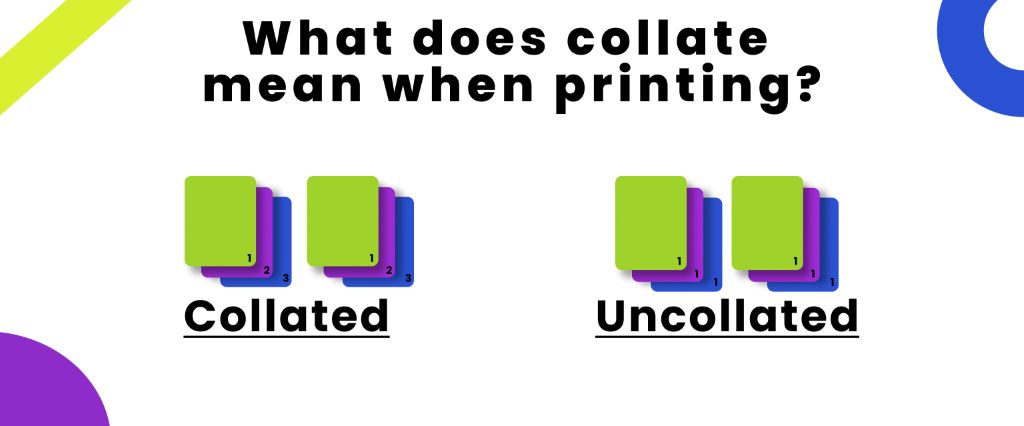
In simpler terms, collating in printing means assembling the pages according to their page number. Instead of printing page 1 then 2 you can just put all the pages in the printer and click the collate option. It will assemble all the pages without the need for manual labour. 

What Does Collate Sheets Mean When Printing?

The sentence what does collate mean when printing pages usually refers to the order in which pages need to be printed. Collating in printing doesn’t change the document content or anything written in it. It just prints the document in the correct order by changing the unassembled sequence of the pages. This option is important when printing large documents such as reports, proposals, or how-to guides where the sequence is important.

Benefits of Collating When Printing 

In printing, collating is very beneficial. There was a time when we lived in the dark ages where we had to collate everything manually because we didn’t have the option but nowadays collate has made everything easier. 

  1. Collating rearranges papers automatically, which saves time and energy.
  2. It reduces the chances of pages being mixed up.
  3. Collation makes stapling and binding much easier. 
  4. This improves efficiency while printing multiple copies. 
  5. It gives a professional appearance to the documents.

Common Use of Collate When Printing 

Collate is important when you have to print multiple copies in a sequential order. Instead of arranging pages by hand, you can use collate printing for better results. There are many workplaces where we have seen collate printing providing valuable services. Some common uses of collate printing are

  • In Business Reports when you have to print complete reports for meetings etc.
  • Collate is mostly used in school assignments where teachers and students can print multiple copies of the project.
  • It is also used in training manuals where companies often print employee handbooks and training guides.
  • It also helps in presentations by keeping every presentation packet complete.
  • Collate printing is also used in instruction booklets to print guides and other manuals in complete order.

Collate Printing Example

The following example illustrates the actual process of collating. Let’s imagine that you are working on a handbook for new employees and you need 3 copies for the new employees that are arranged in a sequential order so with the collate option you can get the result. 

  • Employee 1: Pages 1–6
  • Employee 2: Pages 1–6
  • Employee 3: Pages 1–6

With collating, you will get more arranged results, but without collating, where you have to manually rearrange the pages, you will get the result:

  • Page 1 ×3
  • Page 2 ×3
  • Page 3 ×3
  • Page 4 ×3
  • Page 5 ×3
  • Page 6 ×3

This example shows how collate printing saves time and reduces the work. 

Collate Vs Group Printing 

Collate vs group printing are the words that we use interchangeably because both organize pages but in a different way. The table below highlights the key difference between collate vs group printing:

Key Features Collate PrintingGroup Printing
Printing orderPrint one document before printing the next onePrint all documents at the same time 
Best for Reports, presentations, manualsPrinting pages for separate processing, proofreading
Manual sorting No Yes 
Ideal for multiple copiesYes No 

What Is Collated And Uncollated In Printing?

Collate and uncollate printing are mostly used when we have to print multiple copies. While printing you can choose between collate and uncollate printing. The best printing options depend on how you want your pages to be organized.

Key featuresCollated printingUncollated printing
Manual sorting No Yes 
Page order 1,2,3, 1,2,3, 1,2,3 1,1,1, 2,2,2, 3,3,3 
Page management Ready to useAssembled manually 
Risk of mixing pages No Yes 
Time taking No Yes 

Is Collate Printing Double-Sided?

No, collating is not double-sided. They are both different terms, and they have different features. Collating means to arrange each document in a sequential order, whereas double printing means printing on both sides of the paper to reduce cost and have less consumption of the paper. Collating and double printing work independently, but both of these settings can be used by combining depends on your choice of printing. 

Conclusion 

If you know about collating in printing, it can help you print documents more efficiently and keep your copies organized. If you are a businessperson or a student, trainer, or giving a presentation, collating printing has you covered. Collate options in printing ensure that your time and energy are preserved and you get organized work. If you want more expert guides on printing, packaging, or any solution in Canada visit Packlim and explore the latest resources to make your work much easier and more presentable. 

FAQs

What Does Collate Mean When Printing Multiple Copies?

While printing multiple copies collate means to print different copies of the same document but in sequential order. This makes sure that each copy, after printing, is ready to be handed out immediately without the need for manual assistance. 

What Does Collate Mean When Printing Pages?

In printing pages collate means to print different sets of each copy that are arranged in a proper sequential order. When the setting is on it prints the document in sequential order but when the setting is off it prints each copy many times without any order. 

What Does Collate Mean When Printing 2 Copies?

Collate meaning remains the same no matter how many copies you want to print. If you need to print two copies you can specify that number and if you need to print multiple copies you can specify that too. 

What Is Collate In Printing PDF?

If you frequently use printing you might be curious if collation works with a PDF document. Collating works in the same manner as it does with other documents. It manages the sequence of the PDF document while printing. 

What Is Collate In Printing?

Collate in printing is a setting that is used when you want to print multiple copies of a document but in a sequential order so you don’t have to do manual labour. Collate in printing saves time and also reduces the effort and risk of mixing up the pages. 

What is Shelf Ready Packaging? Benefits, Types, And Uses

Keytakeaways

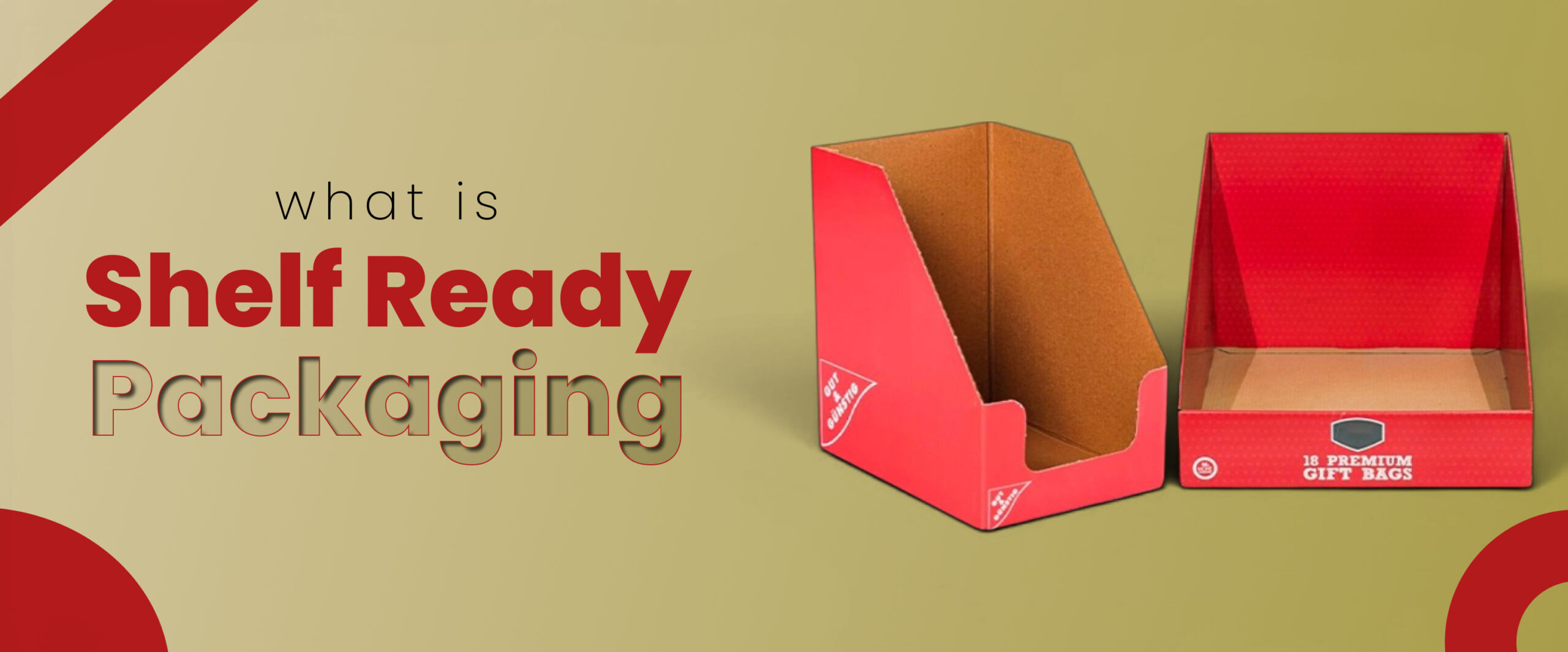
  • Shelf ready packaging definition is that it moves directly from shipping to retail packaging with little or no additional packaging.
  • The main focus of shelf ready packaging boxes is to merge product display and shipment into a single package.
  • It is an important part of modern retail as retail businesses always need something less costly but good for customers.
  • Well-designed shelf ready display packaging also increases product exposure maintain shelf organization. 

Shelf Ready Packaging

Retail-ready packaging is another name for shelf ready packaging. Shelf ready packaging has become an essential part of the modern retail world as it saves time, increases product exposure, and maintains shelf oraganization for a good customer experience. Retail businesses are always looking for something less costly but also presentable and premium for customers. Before shelf ready packaging, traditional packaging required workers to unpack the box and take out each and everything. It needed more time, and it was expensive. Now, shelf ready packaging has made it convenient, as it is specifically designed to be opened quickly and placed directly on display. 

Benefits Of Shelf Ready Packaging

Shelf ready packaging is very advantageous; it provides valuable services to manufacturers, retailers, and shoppers. Benefits of shelf ready packaging are given below:

  1. Shelf ready packaging is beneficial when we need to restock the shelves faster. Rather than opening several cartons and then putting everything on display, because of its packaging. 
  2. Another major advantage of Shelf ready packaging is that it allows us to save time and effort and also to lower labour expenses. 
  3. Another major advantage of Shelf ready packaging is its premium and presentable look. Products are arranged so neatly that it improves customer experience.
  4. Shelf ready packaging also improves product protection while tranportation, and it has less packaging waste and simpler inventory management. 

Common Styles of Shelf Ready Packaging: 

Shelf ready packaging offers many options based on the retailer’s demand, customer experience, and product description. There are different styles; some of them are Display Boxes, Dispenser Boxes, and Side Lock Tuck Top Display Boxes, Front Cut-out Display Tray, Pop Counter Display Tray Boxes, and Double Wall Display Lid Boxes.

Display Boxes

Display boxes are part of shelf ready packaging that many brands use as a strategy to improve product visibility and make shelves organized. 

Dispenser Boxes

Dispenser boxes are frequently used to package small goods like candy, medications, and accessories so that consumers can remove them with ease. 

Side Lock Tuck Top Display Boxes

Many brands go for Side Lock Tuck Top display boxes as they are easy for shelf ready packaging and places where stability is required. 

Front Cut-out Display Tray

If a retailer wants more product exposure, they go for a Front Cut-Out Display tray. It is easier for customers to see and pick things.

Pop Counter Display Tray Boxes

Pop Counter Display Tray Boxes are mostly used by retailers at checkout desks for snacks, candies, and other items.

Double Wall Display Lid Boxes 

Double Wall Display Lid Boxes are mostly used by retailers who need additional security for their product because they offer extra strength while ready for retailing.

Important Uses Of Shelf Ready Packaging

Many businesses in the world rely on shelf ready retail packaging to improve store operations. Different grocery stores use it for food packaging, bottled drinks, packaged cereals, and many other things. Ready-to-shelf packaging is used because employees can easily stack the products without time-consuming effort. 

Different beauty industries use attractive displays for their products to show their makeup and skin care products while keeping shelves organized. Health care brands also package their vitamins, nutrients, supplements, and other healthcare products so they can be accessible for both customers and shopkeepers.

Shelf Ready Packaging Examples Across Different Industries

Different businesses around the world avail the opportunity of shelf ready packaging to improve product visibility and reduce costs.

  1. Many supermarket stores showcase cookies, chips, and beverages in corrugated trays that are ready to display. These trays move directly from delivery truck to store shelves. 
  2. Perforated cartons are also used by the beverage industry so they can be directly converted into display cases in seconds.
  3. Countertop is another example used by the beauty industry to sell their lotion, lipstick, and other skin care products and to grab customers.
  4. Durable corrugated trays are used by pet food manufacturers to organize products and also make them easy to restock. 
  5. Shelf ready packaging is used by different household cleaning brands, baby product brands, and brands that supply materials for the office. Because it keeps the goods safe and provides them a high-end appearance, the brands utilize this packaging.

How to Pick the Best Manufacturers of Shelf Ready Packaging 

Shelf ready packaging manufacturers is an important step for selection for achieving quality and reliable performance. Retailers should look for those manufacturers that understand their industry. So the manufacturers can provide you with the packaging that protects your product and also meets your requirements.

Shelf Ready Packaging suppliers should be reliable. They should offer materials that are durable, custom sizing, printing should be high quality, and sustainable packaging options. It is also helpful if you have to choose; it also helps in choosing companies that provide design and also help in business expansion so that their packaging meets the requirements of brands and their designs fit properly to the product.

Final Thoughts 

Shelf ready packaging solution has become important for modern retail as it combines shipping, storage, and product display into one functional package. It saves time, reduces labour costs, protects products, and creates premium displays that motivate customers to purchase your product. Shelf ready packaging designs help business productivity while allowing a better shopping experience for customers, whether it is used in the food industry, beauty industry, or cosmetic industry. Brands and retailers may improve their presence on store shelves and expedite operations by investing in well-designed shelf ready packaging. 

Shoe box Dimensions: How to Choose The Right Box

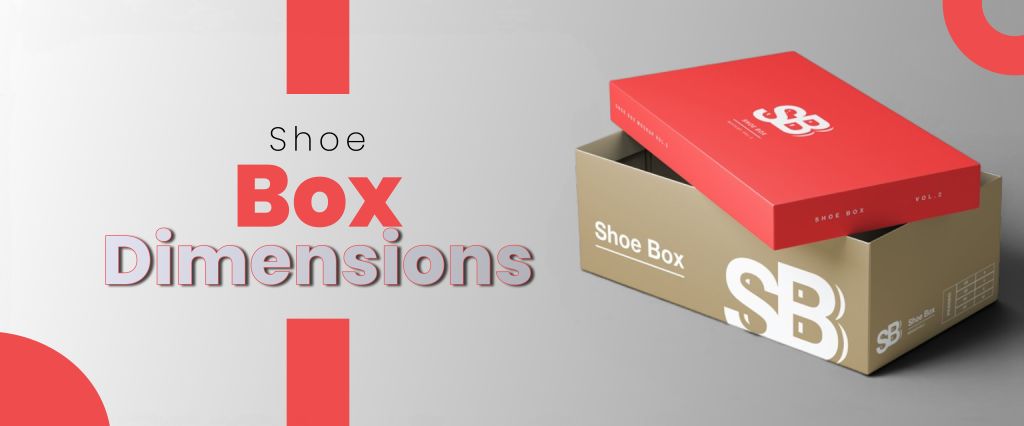
Shoe box sizes may differ based on shoe type and gender. On average, women’s shoe boxes are 13″ x 7.5″ x 4.5″, men’s are 13.5″ x 10″ x 5″, and children’s are 10″ x 6″ x 4. Knowing shoe box dimensions could benefit you in many ways. A lot of courier companies use “dimensional weight” to calculate prices. You can pack gifts or thrifted items efficiently if you know the dimensions without paying extra. Lastly, if you are aware of these dimensions, you can choose the right box for yourself. 

This blog will provide a detailed explanation of shoe box dimensions. From average dimensions to different types of show box dimensions, we’ve got everything covered. 

Average Dimensions Of A Shoe Box

Knowing the average dimensions of shoe boxes is necessary before moving to the dimensions for different types of shoe boxes. A typical shoe box’s measurements vary slightly based on the footwear’s size and type. However, this is how the dimensions of a shoe box cm and inch typically measure globally.

Unit Length Width Height 
Inches 33 inches long19 inches wide11.5 inches tall
cm33 cm long19 cm wide11.5 cm tall

Shoe box dimensions mm typically range from 330–350mm (L) x 190–250mm (W) x 100–150mm (H), depending on style and size.

These are the dimensions of a standard shoe box, such as those for standard adult shoes for males and females. The dimensions of children’s shoes, boots, and large shoes differ markedly in size. Let’s see how different shoe boxes affect their dimensions.

Different Types Of Show Boxes

It is very important to know the dimensions of all kinds of shoe boxes to select an appropriate one. The following are the dimensions of different types of shoes.

Women’s Shoe Boxes

Women’s shoe box dimensions depend on the style of the shoe. The boxes for heels are typically smaller than those for boots or sneakers. Want to know why? Here is the answer, High heels boxes involve wedges and inserts to stabilize the pitch of the shoe. Ballet flats or sandals might make box profiles more slender. 

The table below shows standard dimensions for women’s shoe boxes.

Dimensions (inches)Dimensions (cm)
8 × 5 × 320 × 12.5 × 7.5

Men’s Shoe Box 

The shoe box of men’s footwear requires more space, maximized stacking efficiency and Structural durability. The reason is that men’s shoes are bigger, more cumbersome, and typically heavier than women’s or children’s styles.

The table shows men show box dimensions in inches and cm.

Dimensions (inchesDimensions (cm)
14 × 8 × 533.5× 20 × 12.5

Children’s Shoe Box

Children’s shoe boxes benefit from being stackable, lightweight, and featuring playful and colorful designs. This is because their shoes are lighter, compact, and usually oddly shaped, especially for toddlers. 

Typical children’s show box dimensions in inches and cm.

Dimensions (inchesDimensions (cm)
8 × 5 × 320× 12.5 × 7.5

Shoe Box Dimensions By Size

Each size requires its own unique shoe box dimensions. Want to get more specific? Or want personalized custom shoe boxes. Check out the comprehensive table below for exact measurements according to your shoe size.

Shoe sizeMen’s box dimension Women’s box dimension 
Size 9 shoe box dimensions13 x 8 x 5 inch
33 x 20.3 x 12.7 cm
12.5 x 8 x 4.75 inch 
31.8 x 20.3 x 12.1 cm
Size 10 shoe box dimensions13.25 x 8.25 x 5 inch
33.7 x 21 x 12.7 cm
12.75 x 8.25 x 5 inch
32.4 x 21 x 12.7 cm
shoe box dimensions size 1113.5 x 8.5 x 5.25 inch
34.3 x 21.6 x 13.3 cm
13 x 8.5 x 5 inch
33 x 21.6 x 12.7 cm
shoe box dimensions size 1213.75 x 8.75 x 5.25 inch
34.9 x 22.2 x 13.3 cm
13.25 x 8.75 x 5.25 inch
33.7 x 22.2 x 13.3 cm
Size 13 shoe box dimensions14 x 9 x 5.5 inch
35.6 x 22.9 x 14 cm
13.5 x 9 x 5.25 inch
34.3 x 22.9 x 13.3 cm

Always remember that specific shoe box size dimensions can vary according to the type of shoe. Measurements may differ for children’s shoes, heels, and men’s shoes. 

heels, flats, and men’s or children’s shoes.

Different Styles Of Shoe Box

  • Custom 2 piece boxes: These have a lid and a base separately, with full telescoping on the top of the base, offering a strong closure.
  • One-Piece Folding Boxes: These are made out of a cut piece of material folded to make a hinge-tuck lid box and are economical to ship with a flap
  • Book-Style Flip Boxes: Open like a book with a magnetic fastener closure.

Shoe Box Dimensions For Shipping

It’s crucial to ensure that the box meets the carrier’s requirements when shipping shoes. Shoe box dimensions and weight are both equally important in the shipment process. Below are some guidelines.

Average Dimensions For Shipping

The average shoe shipment box is approximately 

  • Inches: 14 x 8 x 5
  • Centimeters: 35.5 x 20 x 12.5

Nevertheless, you will need slightly more space if you have to pack your shoes using materials such as bubble wrap and tissue wrap to prevent the shoes from being crushed.

Weight Of Box

A shoe box typically weighs from 1.5 to 10 pounds, depending on its material and size; large shoe box dimensions especially add to that weight. Lighter boxes are preferable for shipping because they can help reduce costs.

How To Measure A Shoe Box

Precisely, measuring a shoe box prevents waste, extra cost, and harm. Generally, we use the L x W x H formula to measure shoe boxes. However, it is important to differentiate between internal dimensions (usable space for the shoe) and external dimensions (total size, including board thickness, important for freight calculations). Even a 2mm thick board could make a difference up to 1.2 inches.

To Measure Accurately:

Use a stiff ruler or calipers (not flexible tapes) on a flat surface.

  1. Length: the longest side, measured straight along the wall.
  2. Width: the shorter, perpendicular side, measured at the widest part.
  3. Height: base to top, including the lid if it is a 2-piece

Record both internal and external dimensions consistently to avoid confusion between designers, printers, and shipping partners.

Choosing The Right Box

Having a detailed explanation about the average shoe box dimensions, cereal box dimensions, and different types of dimensions is enough. However, to choose the right box, you should remember this. However, to choose the right box, you should remember this:

  • Material: Cardboard is often used, although plastic boxes provide long-term storage.
  • Design: to save space, opt for stackable boxes.
  • Type of Shoes: ensure that the box is suitable for your intended shoe type.

Conclusion 

Congratulations, you now have all the knowledge required to choose the right shoe box for yourself. Knowing the shoe box dimensions will always save you money and space. If you also want to create your own custom shoe boxes, visit us at Packlim. We have a detailed explanation for you.

Let’s Book A Free Consultation

Discuss your packaging needs with our consultants free of cost by receiving a free call from our service center.

Use one of 2 options to approach us: